 - Copy.webp)
 - Copy.webp)
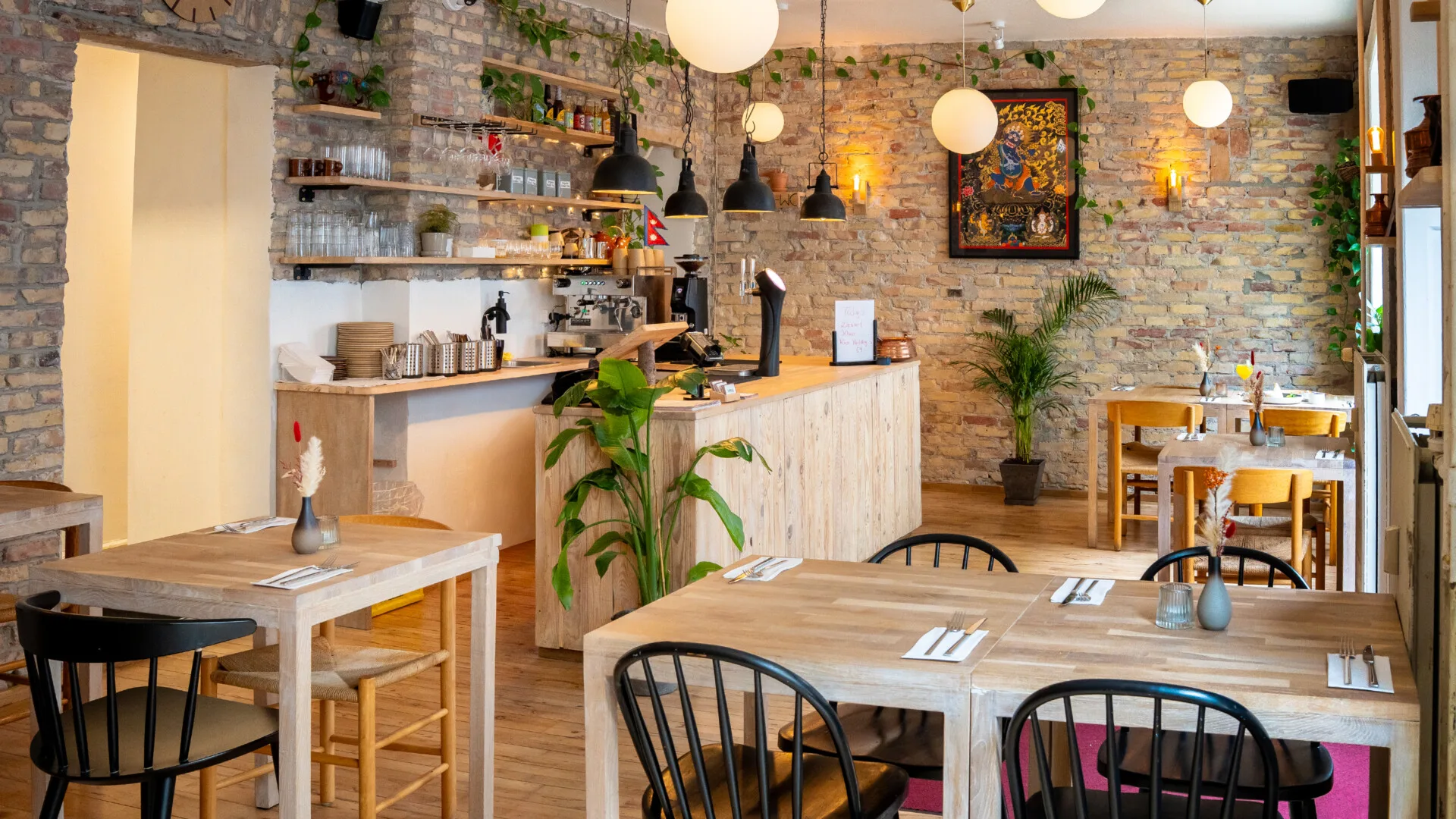
Ten years ago, if you asked someone in Copenhagen where to eat Nepali food, most people would have quietly pointed you toward the nearest Indian restaurant. Today that answer no longer works. Nepali cuisine has stepped out of the shadow of its bigger neighbours and found its own devoted audience in Denmark, and the shift has happened faster than anyone expected.
Walk down Turesensgade on a Friday evening and you will smell it before you see it: cumin and coriander toasting in a dry pan, mustard oil hitting heat, garlic and ginger going into a marinade. That aroma is the reason a growing number of Copenhageners now search for an authentic Nepali restaurant in Copenhagen rather than defaulting to the same familiar menus.
This guide explains exactly why Nepali food is winning hearts across the city, how it differs from the Indian cuisine it is so often confused with, and which dishes you should order first.
The short answer
- Nepali food is lighter than Indian food, with far less cream and butter
- Its signature spice is timur, a Himalayan pepper that tingles rather than burns
- Everyday Nepali eating is largely plant-based, so vegan options are the original, not an afterthought
- Start with momo, then the Daal Bhat Platter
- Find it in Copenhagen at Lamfuz, Turesensgade 6 — call +45 70 60 56 57
Copenhagen’s Growing Appetite for Himalayan Flavours
Copenhagen has one of the most curious dining populations in Europe. This is a city that made fermentation fashionable, that treats a good meal as a cultural event, and that rewards restaurants willing to cook something honest rather than something safe. Nepali cuisine fits that appetite almost perfectly.
Three things have driven the change. First, Danes travel. Trekking in the Annapurna and Everest regions has been on the bucket list for a generation of Danish hikers, and almost everyone returns home craving the daal bhat they ate in a teahouse at 3,000 metres. Second, momo has quietly become a global street food star, sitting comfortably alongside gyoza, dim sum and pierogi in the dumpling conversation. Third, and most importantly, Nepali cooking is naturally light, vegetable-forward and balanced, which suits how Copenhagen eats now.
Add to that the simple fact that genuine Nepalese cuisine in Copenhagen is still relatively rare, and you have a cuisine on the rise. Diners are no longer just curious. They are loyal.
What Exactly Is Nepali Food?
Nepal sits wedged between India and China, with the Himalayas running along its spine. Its food carries fingerprints from both giants without belonging to either. From the south comes the tradition of slow-toasted whole spices, lentils and rice. From the north comes the wok, the dumpling and the love of noodles. What Nepal did with those influences is what makes the cuisine distinctive: it softened them.
Nepali cooking is built on balance rather than intensity. A typical meal is designed so that no single element dominates. Rice provides the base, lentils bring protein and comfort, a vegetable curry adds texture, a pickle adds sharpness, and greens add freshness. Everything is eaten together, in combinations chosen by the person eating rather than dictated by the kitchen.
There is also a strong regional character. The Newar community of the Kathmandu Valley produces bold, smoky, spice-heavy dishes such as choila. Hill communities favour grilled meats like sekuwa. Communities closer to Tibet lean into dumplings, noodle soups and butter tea. A well-made Nepali menu is really a tour of a small country with enormous variety.
Nepali vs Indian Food: What Is the Difference?
This is the single most common question we hear from first-time guests, and the answer is more interesting than most people expect.
- Spice philosophy. Indian cuisine often builds heat and richness in layers, using cream, ghee and long-simmered masalas. Nepali cooking uses fewer ingredients per dish and lets each one stay recognisable. You can usually taste the individual spices rather than one blended whole.
- Timur pepper. Nepal’s signature spice is timur, a Himalayan Sichuan-style pepper that produces a gentle tingling sensation rather than burning heat. Nothing in Indian cooking tastes quite like it.
- Less dairy. Nepali dishes generally use far less cream, butter and yoghurt, which is why the food often feels lighter after eating.
- Mustard oil and fermented greens. Pungent mustard oil and gundruk (fermented leafy greens) give Nepali food a tangy, savoury depth you rarely encounter elsewhere.
- The dumpling and the wok. Momo and Nepali-style chow mein come from the Tibetan and Chinese side of the family tree, and they sit on the same menu as lentil curries without any contradiction.
In short: if you enjoy Indian food, you will almost certainly enjoy Nepali food. But you will not be eating the same meal, and that is exactly the point.
The Spices and Herbs That Define Nepali Cooking
Almost every serious Nepali kitchen roasts and grinds its own spice blends, and we do the same here every week. Pre-ground powder loses its oils within days. Freshly toasted spice is a completely different ingredient.
The core cast includes cumin and coriander seed, toasted until fragrant and ground together; turmeric for warmth and colour; fenugreek, used sparingly for a bittersweet edge; timur for that signature tingle; and dried Himalayan chillies that bring gentle heat rather than aggression. On the fresh side, coriander leaf, ginger, garlic, green chilli, spring onion and mustard greens do most of the heavy lifting.
You can smell the difference the moment you sit down. Guests regularly comment on the aroma drifting from our open kitchen before their food has even been ordered, and that smell is simply spices being treated properly.
Craving the real taste of Nepal tonight?
Turesensgade 6, in the heart of Copenhagen. Open from 16:00.
Book a Table Call +45 70 60 56 57 Get DirectionsWhy Nepali Food Suits Vegetarians and Vegans So Well
This is one of the quiet reasons Nepali cuisine has taken off in Copenhagen. In Nepal, meat has historically been a celebration food rather than a daily one. The everyday diet is built around rice, lentils, seasonal vegetables, greens and pickles. That means the vegetarian version of a Nepali meal is not an afterthought or a substitution. It is the original.
Practically, that translates into a menu where plant-based eaters get the same experience as everyone else. Vegan momo are folded by hand in the same kitchen as the meat ones. The vegan platter is built on the same daal bhat logic as the traditional version. Chow mein and fried rice come in fully plant-based forms. Many curries never contained dairy in the first place.
If you are dining as a mixed group where one person eats meat, one is vegetarian and one is vegan, Nepali food solves a problem that a lot of cuisines struggle with. Everyone eats well, and everyone eats the same style of meal. You can see the full range on our Nepali food menu in Copenhagen.
Popular Nepali Dishes Everyone Should Try
Momo — Nepal’s Favourite Comfort Food
Hand-folded dumplings, filled with seasoned chicken, buff or vegetables, steamed until the wrapper turns silky and served with a sesame and tomato chutney that people genuinely ask to buy by the jar. If you order one thing on your first visit, order this. Those searching for the best momo in Copenhagen usually end up somewhere on Turesensgade.
Jhol Momo — The Version That Converts People
The same dumplings, served swimming in a warm, spiced, sesame-rich broth. It is halfway between a dumpling plate and a soup, and it is the dish our regulars order when they want to show a friend what Nepali food can do.
Daal Bhat — The National Dish
Fragrant rice, slow-cooked lentils, seasonal vegetables, pickle and your choice of lamb, chicken, vegetarian or vegan sides, all on one generous platter. Every Nepali family has its own version. This is what people actually eat at home, and it is the single best introduction to the cuisine.
Sekuwa — Smoke From the Grill
Marinated meat cooked over open heat until the edges char and the smoke settles into the flesh. Rustic, bold, and almost impossible to eat slowly.
Choila — Bold and Unforgettable
A Newari classic from the Kathmandu Valley. Grilled meat tossed with mustard oil, ginger, garlic, chilli and toasted spices. Smoky, tangy and vibrant all at once.
Chow Mein and Fried Rice, Nepali Style
Proof of Nepal’s northern influence. Smoky wok-fired noodles and fragrant fried rice, available with chicken, king prawn or fully vegan. Familiar enough for cautious eaters, distinctive enough to surprise them.
A Cuisine Built for Sharing
Nepali meals are communal by design. Dishes arrive in the middle of the table, people build their own plates, and the meal stretches out rather than ending abruptly. That structure makes it excellent for families, for groups of friends and for long evenings where the conversation matters as much as the food.
It also makes it flexible for children. Plain rice, mild dal, simple chow mein and gently spiced chicken give younger guests something familiar while the adults explore the bolder end of the menu. Spice levels can be adjusted on almost every dish, so nobody has to choose between flavour and comfort.
Why Lamfuz Delivers Authentic Nepali Flavours
Authenticity is a word restaurants use far too loosely, so here is what it means in our kitchen in practical terms.
- Family recipes. The dishes come from home cooking carried across continents, not from a generic pan-Asian template.
- House-ground spice blends. Roasted and ground in-house rather than bought pre-mixed.
- Cooked to order. Nothing waits under a heat lamp. Every plate starts when you order it.
- Fresh local produce. Sourced from the local market, combined with the Himalayan ingredients that cannot be substituted.
- Nepali hospitality. Guests are treated the way guests are treated in Nepal, which is to say, like family.
You can read more about the people and philosophy behind the kitchen on our about Lamfuz page, or see how a typical evening unfolds in our guide to an authentic Nepali dinner in Copenhagen.
Where to Eat Authentic Nepali Food in Copenhagen
You will find us at Turesensgade 6, st. tv, 1368 København K, a few minutes’ walk from Nørreport Station and close to the lakes. It is central enough for visitors and quiet enough for locals, which is a rare combination in this city. If you have ever typed Nepali restaurant near me while walking through Indre By, you were probably a few streets away.
Visit Us
- Address: Turesensgade 6, st. tv, 1368 København K, Denmark
- Phone: +45 70 60 56 57
- Email: info@lamfuz.com
- Opening hours: Monday to Thursday 16:00–23:00, Friday and Saturday 16:00–23:30. Kitchen takes last orders at 22:00, last arrival 21:30.
- Google Business Profile: Find Lamfuz on Google Maps
- Directions: Get driving or walking directions
- Reservations: Book a table online or contact the team
Takeaway is available across the full menu, and we cater office lunches, private parties and celebrations across Copenhagen. Send us an email with your guest count and we will build a menu around the occasion.
Frequently Asked Questions
Everything first-time guests ask us about Nepali food in Copenhagen. Tap a question to open it.
What makes Nepali food different from Indian food?
Nepali cooking uses fewer ingredients per dish, far less dairy, and relies on timur pepper, mustard oil and fermented greens for its character. The result is lighter and more clearly layered, with individual spices staying recognisable instead of blending into one sauce. Browse the full Nepali menu to see the difference for yourself.
What are the most popular Nepali dishes?
Momo and daal bhat lead by a wide margin, followed by sekuwa, choila, jhol momo, chow mein and Nepali-style fried rice. On our menu, momo is the most ordered dish by some distance. See them all on the Lamfuz menu.
Is Nepali food spicy?
Not necessarily. Nepali cuisine is about balanced, layered flavour rather than pure heat, and many dishes are naturally mild. Our kitchen adjusts spice levels on request, so just tell your server how bold you would like to go.
Can vegetarians and vegans enjoy Nepali cuisine?
Absolutely. Everyday Nepali eating is largely plant-based, so vegetarian and vegan dishes are original rather than adapted. There is a dedicated vegan platter plus vegan momo, chow mein, fried rice, curries and appetisers. Check the vegan section of our menu.
Where can I eat authentic Nepali food in Copenhagen?
At Lamfuz, Turesensgade 6, st. tv, 1368 København K, in central Copenhagen near Nørreport Station. Find us on Google Maps, get directions, or call +45 70 60 56 57.
What should I order if I am trying Nepali food for the first time?
Start with hand-folded momo, then move to the Daal Bhat Platter, which is the heart of everyday Nepali cooking. If you enjoy bold flavour, add chicken sekuwa or choila. Our team is always happy to walk you through the menu — or read our guide to a Nepali dinner in Copenhagen.
Do I need to book a table in advance?
Booking is recommended, especially on Friday and Saturday evenings. Reserve online in under a minute or call +45 70 60 56 57. For groups larger than eight, please contact us so we can arrange your visit properly.
Taste why Copenhagen fell for Nepali food.
Freshly cooked, hand-folded, and served with genuine Nepali hospitality.
Reserve Your Table Call Us Now Get Directions